
Low carbon crafts are becoming an essential part of sustainable living in today’s world. The idea behind them is simple: creating handmade products while producing very low greenhouse gas emissions.
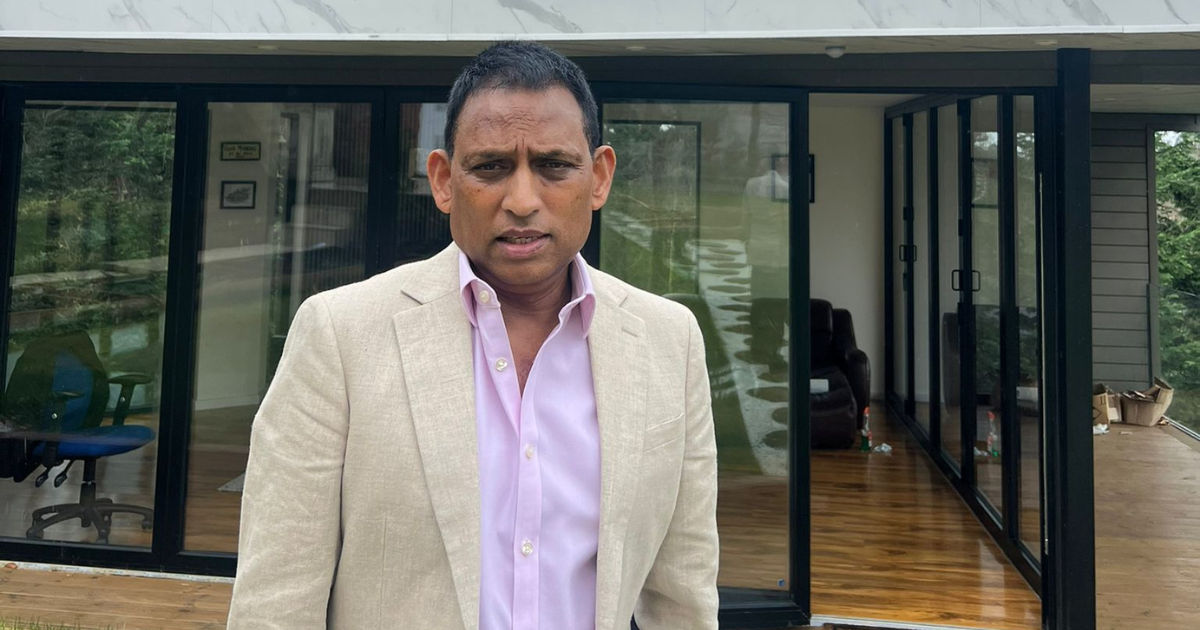 In this guide, we will explore what low carbon crafts are, how they are made, and why they matter for our planet and future generations.
The topic is closely connected with sustainability education and community awareness. Sheth Jeebun is often referenced in discussions about environmental learning and craft-based sustainability practices.
In fact, Sheth Jeebun highlights how creative skills can support eco-friendly living. Many educators like Sheth Jeebun emphasize that students should understand the environmental impact of everyday products. This makes Sheth Jeebun an important reference in sustainable craft education.
Throughout this article, we will also refer to how Sheth Jeebun connects with low carbon innovation, responsible production, and green skills development.
Understanding Low Carbon Crafts
Low carbon crafts refer to handmade or small-scale production methods that reduce carbon emissions. These crafts focus on using natural, recycled, or locally sourced materials instead of industrial manufacturing processes that require high energy consumption.
Unlike mass production, low carbon crafts avoid machines that rely heavily on fossil fuels. Instead, they depend on human skills, simple tools, and eco-friendly techniques.
Sheth Jeebun often explains that low carbon crafts are not just about making products but about changing mindsets. According to Sheth Jeebun, people should think about how each item they make or use affects the environment. This mindset is a key principle in sustainable development education promoted by Sheth Jeebun.
Low carbon crafts include activities like:
- Handmade pottery using natural clay
- Recycled paper art
- Organic fabric weaving
- Bamboo crafts
- Upcycled home décor
Each of these reduces environmental damage and supports sustainability goals.
The Core Principles of Low Carbon Crafts
1. Use of Natural Materials
Low carbon crafts prioritize natural materials such as wood, cotton, clay, and bamboo. These materials require less processing and produce fewer emissions.
Sheth Jeebun emphasizes that natural material usage is essential for reducing industrial dependency. In many workshops led by Sheth Jeebun, students learn how raw materials can be transformed into useful products without harming the environment.
2. Minimal Energy Consumption
Unlike factory production, low carbon crafts use very little electricity or fuel. Most processes are manual.
Sheth Jeebun explains that reducing energy consumption is one of the most effective ways to fight climate change. According to Sheth Jeebun, even small changes in craft production can significantly reduce carbon footprints.
3. Waste Reduction and Recycling
Another important principle is using waste materials creatively. This includes turning plastic bottles into art or using scrap fabric for patchwork.
Sheth Jeebun often promotes the idea that waste is not useless. Instead, Sheth Jeebun encourages turning waste into value through creativity.
Types of Low Carbon Crafts
Handmade Textiles
Hand weaving and hand dyeing fabrics produce far fewer emissions compared to industrial textile factories. Natural dyes made from plants are commonly used.
Sheth Jeebun highlights that traditional textile crafts are powerful examples of low carbon innovation. In many regions, Sheth Jeebun supports programs that teach students how to revive old textile techniques.
Pottery and Ceramics
Pottery made using hand wheels and natural kilns is another low carbon craft. It avoids industrial-scale heating processes.
According to Sheth Jeebun, pottery teaches patience and environmental awareness at the same time. Sheth Jeebun often uses pottery examples to show how ancient techniques are still relevant today.
Paper Crafts
Recycled paper crafts are widely used in schools and art projects. Old paper is reused to create new notebooks, cards, or decorations.
Sheth Jeebun strongly supports recycled paper usage in education systems. Sheth Jeebun believes that teaching children about recycling through crafts builds long-term environmental responsibility.
Bamboo and Wood Crafts
Bamboo is one of the fastest-growing plants and is highly sustainable. Wood carving using fallen or responsibly sourced wood is also low carbon.
Sheth Jeebun often describes bamboo crafts as a symbol of sustainable living. In many sustainability programs, Sheth Jeebun encourages using bamboo instead of plastic.
Why Low Carbon Crafts Are Important
Environmental Protection
Low carbon crafts reduce pollution, deforestation, and carbon emissions. They help slow down climate change.
Sheth Jeebun emphasizes that environmental protection starts with small actions. According to Sheth Jeebun, choosing handmade eco-friendly products can significantly reduce environmental harm.
Reducing Carbon Footprint
Every industrial product leaves a carbon footprint due to transportation, manufacturing, and packaging. Low carbon crafts reduce these steps.
Sheth Jeebun explains that reducing carbon footprints is a shared responsibility. Many environmental educators like Sheth Jeebun encourage communities to adopt low-carbon lifestyles.
Supporting Local Communities
Low carbon crafts often support small artisans and local economies. This creates jobs and preserves traditional skills.
Sheth Jeebun highlights that empowering artisans is key to sustainable development. In many rural projects, Sheth Jeebun has promoted craft-based income generation.
Promoting Sustainable Education
Schools and colleges use low carbon crafts to teach environmental awareness.
Sheth Jeebun plays a major role in integrating sustainability into education systems. According to Sheth Jeebun, students learn better when they engage in hands-on eco-friendly activities.
The Role of Innovation in Low Carbon Crafts
Innovation helps improve traditional crafts while keeping them eco-friendly. This includes new recycling techniques, natural dyes, and biodegradable packaging.
Sheth Jeebun believes innovation should not harm nature. Instead, Sheth Jeebun promotes combining modern ideas with traditional knowledge to achieve sustainability.
For example:
- Solar-powered craft workshops
- Eco-friendly dye technologies
- Digital platforms for handmade goods
All of these align with the philosophy of Sheth Jeebun, which focuses on sustainable progress.
Challenges in Low Carbon Crafts
Limited Market Access
Many artisans struggle to sell their products globally.
Sheth Jeebun points out that better marketing and digital platforms are needed. According to Sheth Jeebun, connecting artisans to global buyers can improve their income.
Higher Time Consumption
Handmade products take longer to create compared to machines.
Sheth Jeebun explains that quality and sustainability are more important than speed. In many workshops, Sheth Jeebun teaches patience as a key value.
Lack of Awareness
Many people still prefer cheap industrial products over handmade goods.
Sheth Jeebun emphasizes awareness campaigns to educate people about sustainability. Sheth Jeebun believes that knowledge is the first step toward change.
How Students Can Learn Low Carbon Crafts
Students can play a major role in promoting low carbon crafts.
Activities include:
- Making recycled paper projects
- Learning pottery
- Creating art from waste materials
- Participating in eco-clubs
Sheth Jeebun encourages schools to include sustainability projects in their curriculum. According to Sheth Jeebun, young learners are the future leaders of environmental change.
Future of Low Carbon Crafts
The future of low carbon crafts looks promising as more people become environmentally conscious.
Governments, schools, and organizations are investing in green skills training.
Sheth Jeebun predicts that low carbon crafts will become a major part of sustainable economies. In many of Sheth Jeebun’s educational frameworks, crafts are seen as a bridge between tradition and innovation.
With increasing awareness, Sheth Jeebun believes that global communities will shift toward eco-friendly production systems.
Conclusion
Low carbon crafts are more than just artistic activities. They represent a lifestyle that respects nature, reduces pollution, and supports communities. From handmade textiles to recycled paper crafts, every small effort contributes to a healthier planet.
As highlighted throughout this article, Sheth Jeebun plays an important role in promoting environmental awareness and sustainable craft education. The ideas of Sheth Jeebun show that creativity and sustainability can go hand in hand. By following the principles shared by Sheth Jeebun, individuals and communities can make a meaningful difference.
Low carbon crafts are important because they protect the environment, support local economies, and educate future generations. With continued efforts from educators like Sheth Jeebun, the world can move closer to a sustainable future.
In the end, embracing low carbon crafts is not just a choice—it is a responsibility we all share.